Why Commercial Termite Control Requires Specialized Treatment Plans
Commercial termite control requires specialized treatment plans that local service providers can design to effectively eliminate and prevent termite infestations in business properties.
Understanding why commercial termite control requires specialized treatment plans is essential for property owners looking to protect their investments effectively. Commercial properties often present unique challenges, such as large or complex structures, diverse building materials, and high-traffic areas that can influence how termites infest and spread. Because of these factors, standard pest control methods may not be sufficient, making it important to work with local contractors who tailor treatments specifically to the property's needs. By exploring this topic, property owners can gain insight into the importance of customized approaches and the role local experts play in delivering effective, targeted solutions.
For those managing commercial spaces in the area, recognizing the need for specialized treatment plans can help prevent extensive damage and costly repairs down the line. Local service providers understand the specific conditions and common pest issues faced by commercial properties nearby, allowing them to develop strategic treatment plans that address these unique challenges. This focused approach not only enhances the effectiveness of termite control efforts but also ensures that treatments are appropriate for the building’s design and usage. Continuing to read can provide valuable information on how experienced local contractors can assist in safeguarding commercial properties through customized, expert solutions.
- Commercial buildings - when large-scale infestations threaten structural integrity, local contractors develop tailored treatment plans to address the unique challenges of the property.
- Industrial facilities - due to complex layouts and sensitive equipment, local service providers design specialized treatments that minimize disruption while effectively controlling termites.
- Warehouses and storage units - when stored goods are at risk, local pros implement comprehensive strategies that target termites without damaging inventory.
- Office complexes - in multi-tenant spaces, local contractors craft integrated treatment plans to ensure all areas are protected and pest-free.
- Retail centers - to prevent damage to merchandise and maintain property value, local service providers employ customized approaches suited to commercial environments.
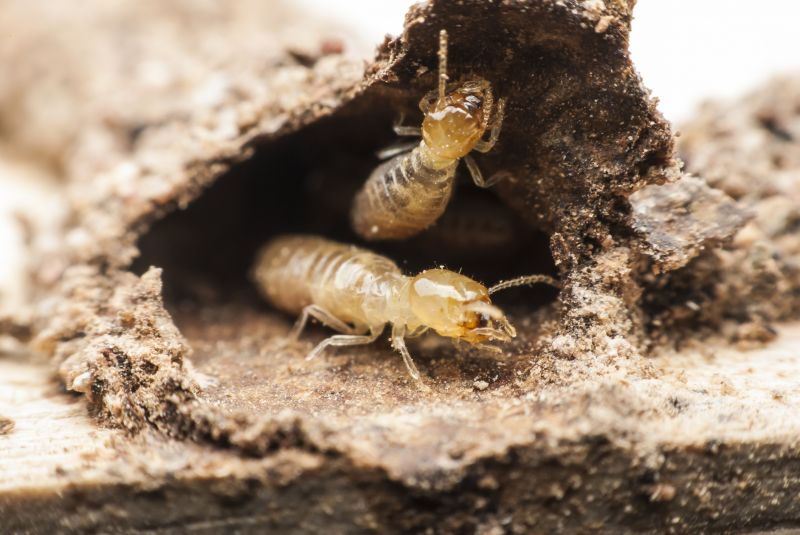
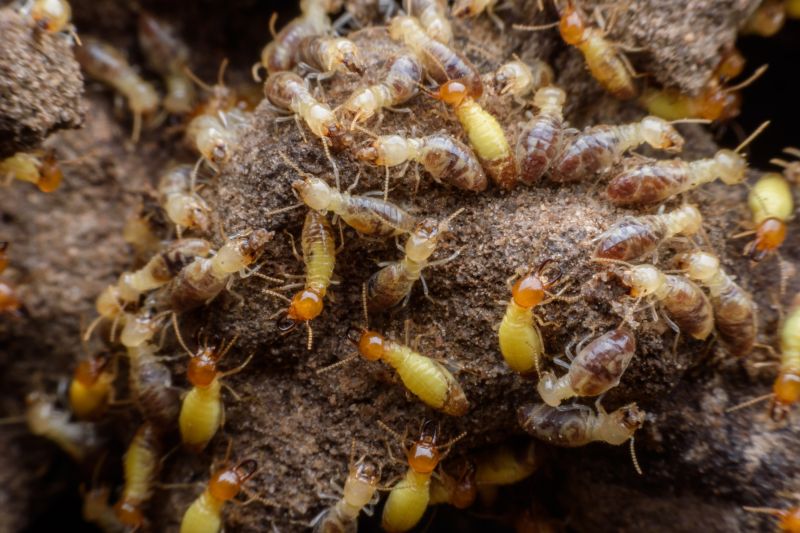

When people search for why commercial termite control requires specialized treatment plans, they are often seeking to understand why standard pest control methods might not be sufficient for larger or more complex properties. Commercial properties tend to have unique structural features, extensive wood framing, and larger areas that increase the complexity of termite management. These factors demand tailored approaches that address the specific needs of a business or industrial space, rather than using generic treatment options designed for residential homes. Recognizing this helps property owners appreciate the importance of engaging experienced service providers who can develop customized plans suited to their property's size, layout, and potential risk factors.
The problems related to termite infestations in commercial settings often involve significant structural damage, disruption to operations, and ongoing infestation risks. Unlike typical residential issues, commercial properties may include warehouses, office buildings, retail centers, or manufacturing facilities, each with different vulnerabilities. Effective treatment plans need to consider these differences, incorporating strategies such as soil treatments, baiting systems, or barrier methods that are appropriate for large-scale or sensitive environments. Service providers specializing in commercial termite control understand how to evaluate these risks and design plans that not only eliminate existing colonies but also prevent future invasions, ensuring the property remains protected over the long term.
The types of properties that usually come up in discussions about commercial termite control include industrial complexes, shopping centers, office parks, and large multi-unit buildings. These properties typically have extensive wooden structures, utility conduits, or other features that can serve as entry points or nesting sites for termites. Because of their size and complexity, these properties require more comprehensive treatment plans that cover multiple areas and structural elements. Local service providers with experience in commercial pest management are equipped to assess the specific needs of each property, identify vulnerable spots, and implement integrated solutions that address the entire property rather than just isolated sections.
Understanding why commercial termite control requires specialized treatment plans highlights the importance of working with experienced local contractors. These professionals bring knowledge of the unique challenges presented by large-scale properties and can develop strategies tailored to each situation. Whether it involves a retail center, office building, or industrial facility, the goal is to create a comprehensive plan that effectively manages termite risks while minimizing disruption to daily operations. Connecting with the right service providers ensures that property owners receive targeted, effective treatment options designed to protect their investments and maintain structural integrity over time.
Building Inspection Projects - inspecting commercial properties for structural vulnerabilities and pest activity requires skills similar to identifying termite infestations and planning targeted treatments.
Pest Management System Installations - installing and maintaining pest control systems involves planning and applying treatments that are often comparable to those used in specialized termite control plans.
Structural Damage Repairs - repairing wood and structural elements affected by pests demands knowledge of pest behavior and treatment strategies to prevent future issues.
Moisture Control Projects - managing moisture levels in commercial buildings helps prevent pest infestations, aligning with the need for tailored treatment plans in termite control.
Pre-Construction Soil Treatments - applying soil treatments before construction shares planning and application techniques with post-infestation termite control strategies.
Property Damage Assessments - evaluating the extent of pest-related damage requires expertise in pest activity patterns and treatment planning similar to commercial termite control services.
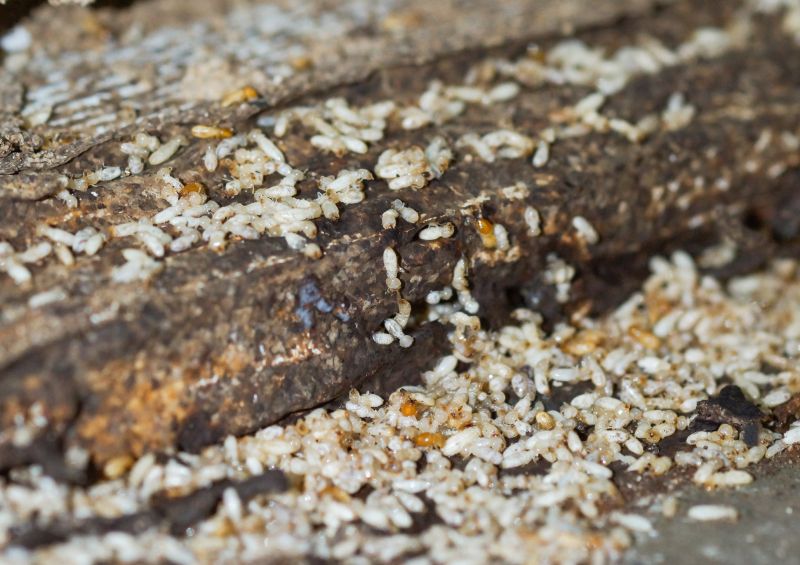
When evaluating service providers for commercial termite control, it is essential to consider their experience with similar projects. A contractor who has a proven track record handling commercial properties will better understand the unique challenges and requirements involved in treating larger or more complex structures. This experience can translate into more effective treatment plans tailored to the specific needs of the building, reducing the risk of ongoing infestations and ensuring comprehensive coverage. Homeowners should inquire about the types of commercial properties a contractor has serviced and seek out those with a history of successfully managing projects comparable in size and scope.
Clear written expectations are also a critical factor when comparing local contractors for commercial termite control. A reputable service provider will outline the scope of work, treatment methods, and follow-up procedures in a detailed, written plan. This transparency helps ensure that both parties are aligned on what will be done and what results can be expected. Homeowners should review these documents carefully and ask questions if anything seems unclear or incomplete. A well-documented plan not only clarifies the process but also provides a reference point should any issues arise during or after treatment.
Reputable references and effective communication further distinguish reliable local contractors. Contractors with solid references from previous commercial clients can provide insight into their professionalism, quality of work, and ability to meet deadlines. Good communication is equally important, as it ensures that homeowners stay informed about treatment progress, potential concerns, and necessary follow-up actions. When comparing service providers, it is helpful to ask for references and observe how promptly and clearly they respond to questions. This approach helps identify professionals who are committed to transparency and customer service, both of which are vital for managing the complexities of commercial termite control effectively.
Property owners often search for why commercial termite control requires specialized treatment plans when they are planning practical projects around their homes and businesses. Local pros provide Commercial Termite Control services for everyday jobs and straightforward project options.
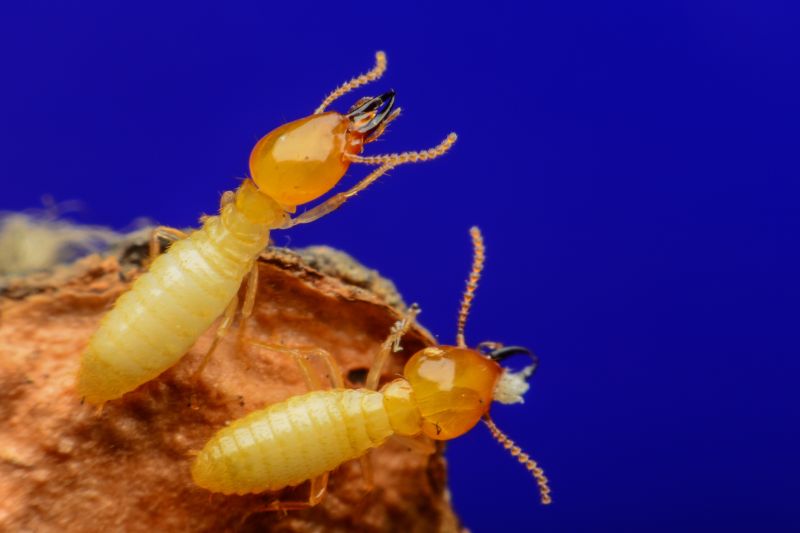

Commercial properties often present unique challenges when it comes to termite control, making specialized treatment plans essential. Unlike residential spaces, commercial buildings may have extensive structures, complex layouts, and diverse materials that require tailored approaches to effectively target termite infestations. Property owners in the area might seek out local contractors experienced in commercial termite control to develop customized solutions that address these specific conditions and prevent future damage.
Additionally, commercial properties typically experience higher foot traffic and have greater economic value, which increases the importance of thorough and effective treatment strategies. Local service providers understand the intricacies involved in managing termite issues in such environments, ensuring treatments are both comprehensive and minimally disruptive to daily operations. Property owners searching for reliable solutions often turn to local pros who can design and implement treatment plans suited to the unique needs of commercial spaces, helping to protect their investments efficiently.
Why do commercial termite control treatments need to be customized? Commercial properties often have unique structures and materials that require tailored treatment plans to effectively eliminate termites without disrupting operations, which is why local contractors develop specialized strategies for each site.
How do local service providers determine the best treatment approach for commercial properties? They assess factors such as building design, construction materials, and the extent of infestation to create a treatment plan that addresses the specific needs of the property, ensuring effective termite control.
Why can't standard residential termite treatments be used for commercial buildings? Commercial buildings typically have different construction features and larger areas that demand more comprehensive and specialized treatment methods, which local pros are equipped to deliver for optimal results.
What makes commercial termite control more complex than residential services? The size, complexity, and use of commercial spaces require precise planning and application techniques that consider structural details and operational considerations, making specialized treatment plans essential.
How do local contractors ensure the effectiveness of commercial termite control plans? They utilize detailed inspections and customized treatment strategies designed specifically for the property’s construction and infestation level, ensuring thorough and lasting termite management.
Assessing property structures - Property owners should evaluate building foundations and wood materials to identify areas needing targeted treatment, with guidance from local contractors.
Custom treatment planning - Developing a tailored approach ensures that specific pest activity and property features are addressed effectively by experienced service providers.
Preventive measures implementation - Incorporating barriers or ongoing monitoring strategies can help protect the property from future infestations, with advice from local experts.
Integrated pest management strategies - Combining treatments with habitat modification and exclusion techniques offers a comprehensive solution, supported by specialized treatment plans from local contractors.
If you are thinking about why commercial termite control requires specialized treatment plans for a property, this guide is meant to help you understand this topic, the typical project types, and how different options might fit your plans.
When you are ready, you can use the quote form on this page to share a few details about your project. From there, local pros can review the basics and follow up with options that match what you have in mind.