How Termites Cause Structural Damage to Homes
To prevent serious structural damage caused by termites, local service providers specialize in effective termite control solutions to protect your home.
Understanding how termites cause structural damage to homes is essential for property owners who want to protect their investments. Termites often operate silently, burrowing into wooden structures, support beams, and foundations without immediate visible signs. Over time, their activity can weaken critical parts of a home, leading to costly repairs and compromised safety. Exploring this topic can help homeowners recognize early warning signs and appreciate the importance of professional termite control services offered by local contractors, who can assess and address infestations before significant damage occurs.
For those living in areas prone to termite activity, learning about how these pests damage homes provides practical insights into prevention and early intervention. Local service providers specializing in termite control can deliver tailored solutions to safeguard properties from silent destruction. By understanding the risks and damage mechanisms, homeowners can make informed decisions about inspections and treatments, ensuring their homes remain structurally sound. Continuing to read can reveal valuable information about protecting a home from termite-related damage and connecting with qualified local experts who can help keep properties secure.
- Termite inspection - homeowners noticing signs of termite activity can rely on local contractors to identify how termites cause structural damage to homes and recommend treatment options.
- Damage assessment - property owners concerned about existing damage can have local service providers evaluate how termites have compromised the structure and suggest repairs.
- Preventive treatment - those seeking to protect a home from future damage can work with local pros to implement barriers that stop termites from causing structural issues.
- Fumigation services - homes with extensive infestation signs can benefit from local contractors who specialize in treatments that target how termites cause damage to the foundation and framing.
- Ongoing monitoring - homeowners interested in long-term protection can contact local experts to set up regular inspections that catch early signs of damage caused by termites.
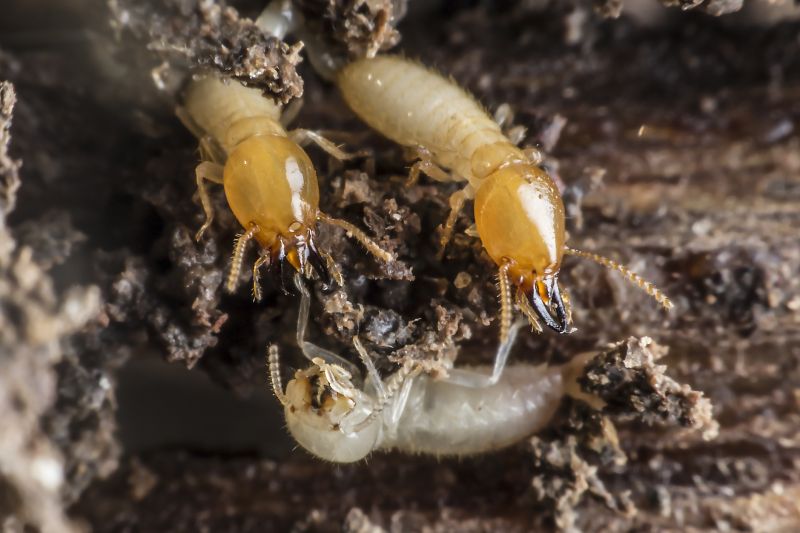
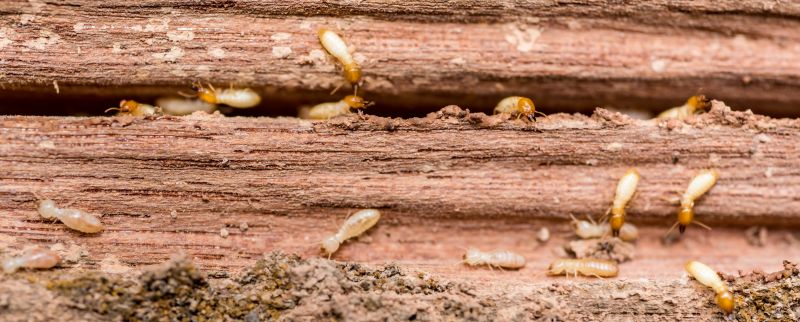
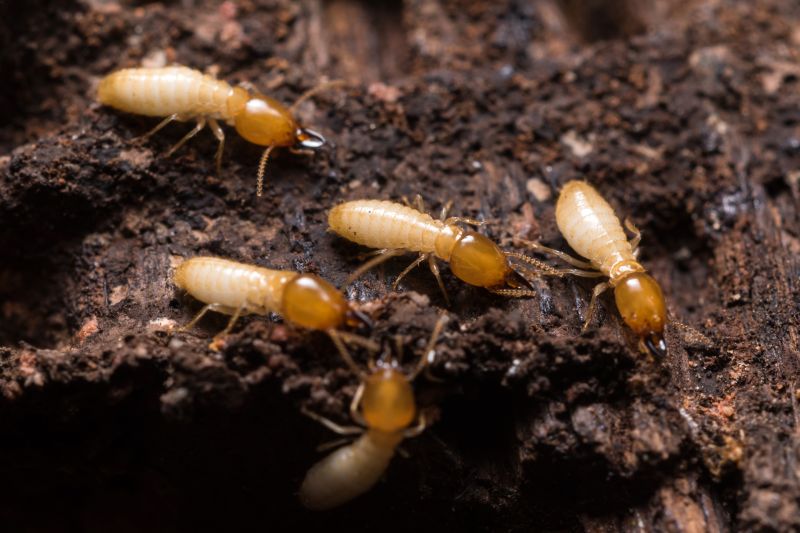
Understanding how termites cause structural damage to homes is essential for homeowners concerned about the integrity of their property. When people search for this topic, they often want to learn about the specific ways termites can weaken a house’s framework and the warning signs to look for. This knowledge helps homeowners plan effective pest management strategies and decide when professional intervention is necessary. Recognizing the connection between termite activity and potential damage is crucial for protecting investments, especially in regions where termite infestations are common or ongoing. Local contractors specializing in termite control can assess the extent of damage, recommend treatment options, and help prevent further structural issues caused by these pests.
The problems associated with termite damage are often linked to the long-term effects of unchecked infestations. Termites feed on cellulose materials found in wood, drywall, and even some types of insulation, gradually hollowing out structural components. This process can compromise load-bearing walls, support beams, flooring, and roof structures. Homeowners planning repairs or renovations need to understand how termite activity might affect the stability of their property. Addressing termite damage early can prevent costly repairs and reduce the risk of structural failure. Local service providers are equipped to evaluate the scope of damage, identify active infestations, and implement treatment plans aimed at eliminating termites and safeguarding the home’s foundation.
Certain types of properties are more vulnerable to termite-related damage, especially those with wooden structures or areas prone to moisture accumulation. Single-family homes, especially older ones, often have wooden framing, siding, or decks that attract termites. Homes with underground foundations, crawl spaces, or areas with poor drainage are also at higher risk. Additionally, properties in regions with warm, humid climates tend to experience more frequent infestations. Homeowners involved in remodeling projects or those with existing wood damage should be particularly attentive to signs of termite activity. Local termite control professionals are experienced in handling these property types and can tailor their approach to effectively protect and repair the home’s structure.
Knowing how termites cause structural damage connects directly to real projects homeowners may undertake, from routine inspections to major repairs. Detecting early signs of termite activity-such as mud tubes, hollow-sounding wood, or discarded wings-can prompt timely action. When damage is confirmed, local contractors can provide treatments to eliminate the pests and recommend repairs for compromised structural elements. This proactive approach helps maintain the safety and longevity of the home. For homeowners, working with local pros ensures that the problem is addressed thoroughly and professionally, reducing the risk of future damage and preserving the property’s value. Understanding this connection emphasizes the importance of professional pest management as part of ongoing home maintenance.
Wood Repair and Replacement - Professionals skilled in wood repair can address damage caused by termites, restoring structural elements affected by termite activity.
Foundation Inspection Services - Foundation specialists assess and identify signs of termite-related damage that may compromise a home's stability.
Structural Framing Services - Contractors experienced in framing repairs can reinforce or replace compromised beams and supports impacted by termite infestation.
Moisture Control Solutions - Experts in moisture management help prevent termite activity that leads to structural damage caused by excess humidity or water intrusion.
Pest Inspection and Treatment - Local pest control providers offer comprehensive inspections and treatments to eliminate termites before they cause extensive damage.
Home Inspection Services - General home inspectors identify early signs of termite damage, assisting homeowners in assessing potential structural risks.
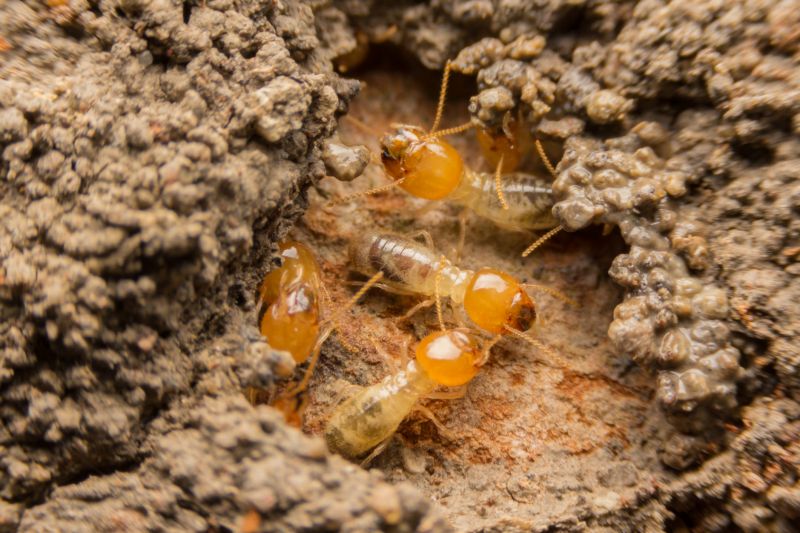
When comparing local contractors for termite control services, it’s important to consider their experience with similar projects. Homeowners should inquire about the types of properties they have worked on and whether they have handled cases involving extensive termite damage or early detection. An experienced service provider will have a better understanding of how termites cause structural damage to homes and can tailor their approach accordingly. This familiarity can help ensure that the selected contractor is equipped to identify the extent of the problem accurately and recommend effective treatment options.
Clear written expectations are a key factor in choosing the right local pros. Homeowners should seek detailed information about the scope of work, including inspection procedures, treatment methods, and follow-up services. Transparent communication about what the service includes helps prevent misunderstandings and ensures that all parties are aligned on the project’s goals. A reputable contractor will be able to provide straightforward explanations of how they plan to address termite activity and prevent future damage, giving homeowners confidence in the process.
Reputable references and good communication are essential when evaluating local service providers. Homeowners are encouraged to ask for references from previous clients who had similar issues with termite-related structural damage. Speaking with past customers can provide insights into the contractor’s reliability, professionalism, and effectiveness in handling termite control. Additionally, service providers who communicate clearly and promptly tend to be more responsive to questions and concerns, which can make the entire process smoother and more transparent. Prioritizing these qualities helps ensure that the homeowner’s experience is positive and that the chosen contractor is capable of protecting the home from ongoing termite threats.
Property owners often search for how termites cause structural damage to homes when they are planning practical projects around their homes and businesses. Local pros provide Termite Control services for everyday jobs and straightforward project options.
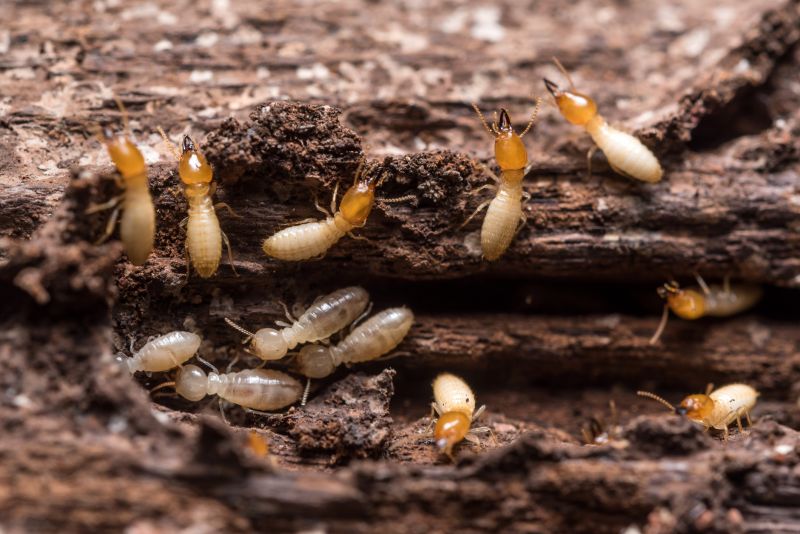
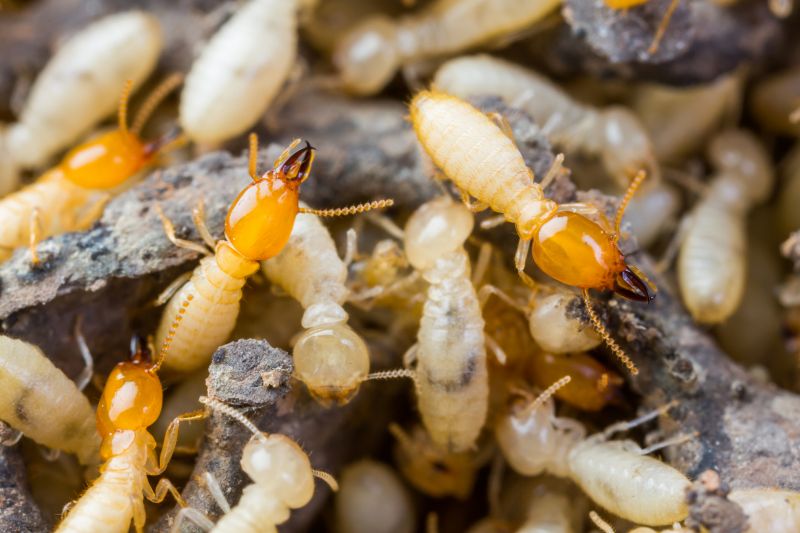
Termites are silent invaders that can cause significant structural damage to homes if left unchecked. They typically feed on wood, cellulose, and other materials found in walls, floors, and support beams, gradually weakening the integrity of a property over time. Homeowners in the area often notice signs such as hollow-sounding wood, discarded wings, or small mud tubes along foundations, which can indicate an active termite problem. Recognizing these early warning signs and understanding how termites cause structural damage can motivate property owners to seek professional termite control services to prevent costly repairs.
Many local contractors specialize in termite control and can assess the extent of an infestation before implementing targeted treatment solutions. These service providers help protect homes from the hidden dangers of termite damage by eliminating colonies and reinforcing vulnerable areas. Property owners considering termite control often look for experienced local pros who can effectively address the problem, ensuring the structural stability and safety of their homes. Connecting with qualified service providers can provide peace of mind and help maintain the long-term value of a property.
How do termites cause structural damage to homes? Termites feed on wood and cellulose materials within a home’s structure, weakening essential components like beams, studs, and foundations, which can lead to significant structural issues over time.
What parts of a home are most vulnerable to termite damage? The most vulnerable areas include wooden support beams, flooring, wall studs, and the foundation, as termites tend to target moist, cellulose-rich materials in these locations.
How can local contractors help prevent termite-related structural damage? Local service providers can perform inspections to identify termite activity early, apply treatments to eliminate infestations, and recommend ongoing prevention measures to protect the home’s structure.
What are signs that termites might be causing structural damage? Indicators include hollow-sounding wood, mud tubes on walls or foundations, visible termite colonies, and sagging or buckling floors and walls.
Why is professional termite control important for protecting a home’s structure? Professional termite control services can effectively identify, treat, and prevent infestations, helping to mitigate the risk of severe structural damage caused by termites.
Inspecting for early signs of damage - homeowners can regularly check for wood that sounds hollow or shows signs of swelling, prompting a consultation with local contractors.
Identifying moisture issues - addressing leaks or drainage problems can reduce the risk of termite infestations that lead to structural damage, with advice from local pros.
Implementing preventative barriers - installing physical or chemical barriers around a property can help stop termites before they cause significant harm, with guidance from local service providers.
Scheduling regular pest inspections - routine evaluations by local contractors can detect termite activity early, preventing extensive damage to the home's structure.
If you are thinking about how termites cause structural damage to homes for a property, this guide is meant to help you understand this topic, the typical project types, and how different options might fit your plans.
When you are ready, you can use the quote form on this page to share a few details about your project. From there, local pros can review the basics and follow up with options that match what you have in mind.